Electricity Rates by State
Compare average electricity costs across all 50 states and see how much you could save with solar energy.
Most Expensive States
Least Expensive States
Deregulated Electricity States: Compare & Shop Rates
In 18 deregulated states, residents can choose their electricity supplier and shop for the lowest rates. If you live in a deregulated market, you're not locked into your utility's default rate — you can compare plans from competitive suppliers and potentially save 10-20% on your electric bill.
In deregulated states like Ohio, Pennsylvania, Texas, and Illinois, you can compare electricity suppliers in your city to find the cheapest rates. Visit your state page above to see utility rates and local options.
Electricity Rates in All 50 States
How Solar Reduces Your Electricity Bill
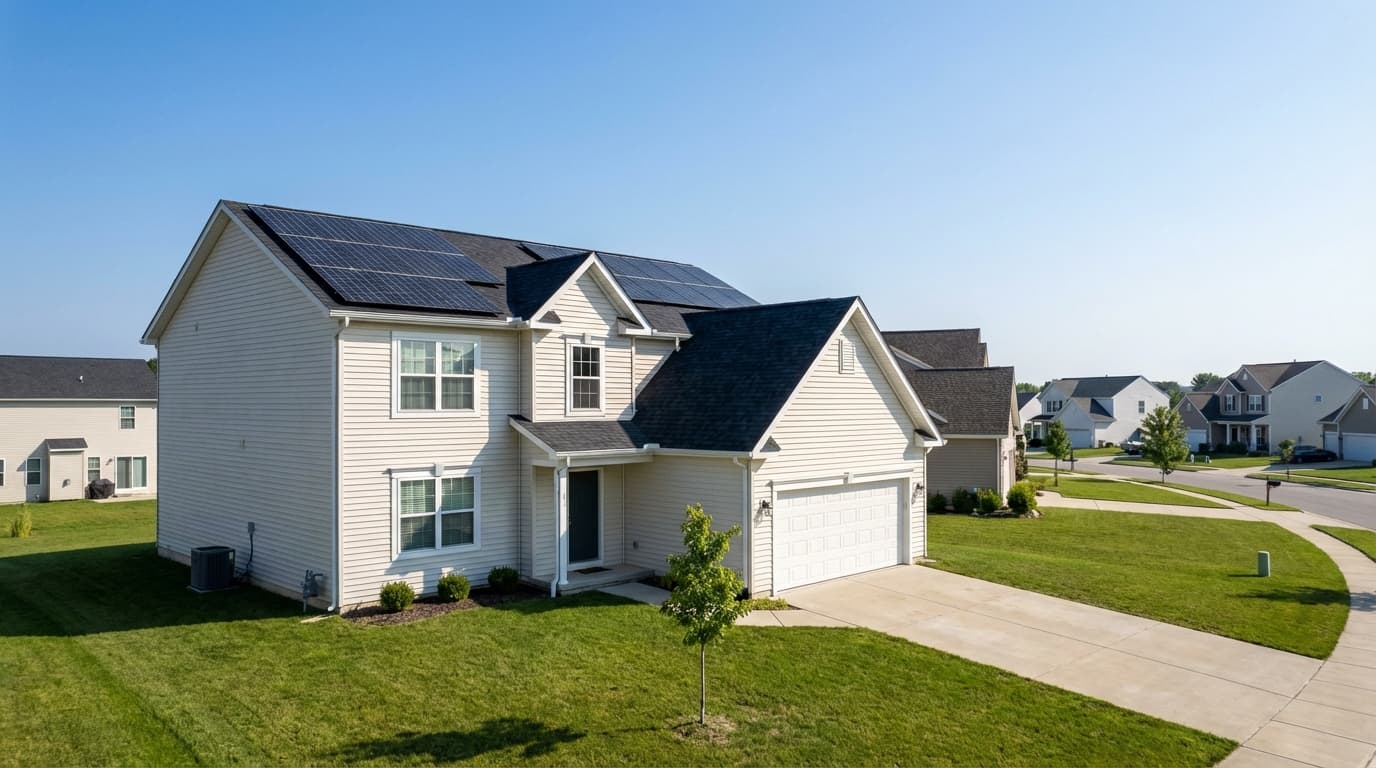
With electricity rates rising 2-5% annually across most states, solar panels offer a way to lock in your energy costs for 25+ years. The average homeowner saves between $20,000 and $50,000 over the life of their solar system.
Combined with the 30% federal solar tax credit and state incentives, solar has never been more affordable. Higher electricity rates actually make solar a better investment because your savings are larger.
Electricity Rates FAQ
The national average residential electricity rate is approximately $0.16 per kilowatt-hour (kWh). However, rates vary significantly by state, ranging from about $0.10/kWh in states like Utah and Idaho to over $0.35/kWh in Hawaii.
Electricity rates are rising due to aging grid infrastructure requiring costly upgrades, increasing fuel costs, stricter environmental regulations, extreme weather events damaging power systems, and growing demand from electric vehicles and data centers. Most states see annual increases of 2-5%.
Solar panels generate electricity from sunlight, reducing or eliminating the amount of power you need to buy from your utility. Most homeowners can offset 50-90% of their electricity usage with solar, and with net metering, you can earn credits for excess energy sent back to the grid. Once installed, solar provides essentially free electricity for 25+ years.
Hawaii, California, Massachusetts, Connecticut, Rhode Island, and New Hampshire consistently have the highest electricity rates in the U.S. These states also tend to have the best solar payback periods because the savings from replacing expensive grid electricity are greater.
In deregulated states (like Ohio, Pennsylvania, Texas, Illinois, and 14 others), you can choose your electricity supplier instead of being limited to your local utility. This means you can compare rates from multiple providers and shop for the cheapest electricity plan in your area. Your local utility still delivers the power, but you pick who generates it.
If you live in a deregulated state, visit your state's public utility commission website or use your state page on our site to see current utility rates. Compare fixed-rate vs. variable-rate plans, check contract lengths, and watch for introductory rates that increase later. In regulated states, your rate is set by the utility, but solar panels let you generate your own power at a locked-in cost.
Start Saving with Solar Today
Join thousands of homeowners who've switched to clean energy
Get Your Free Quote