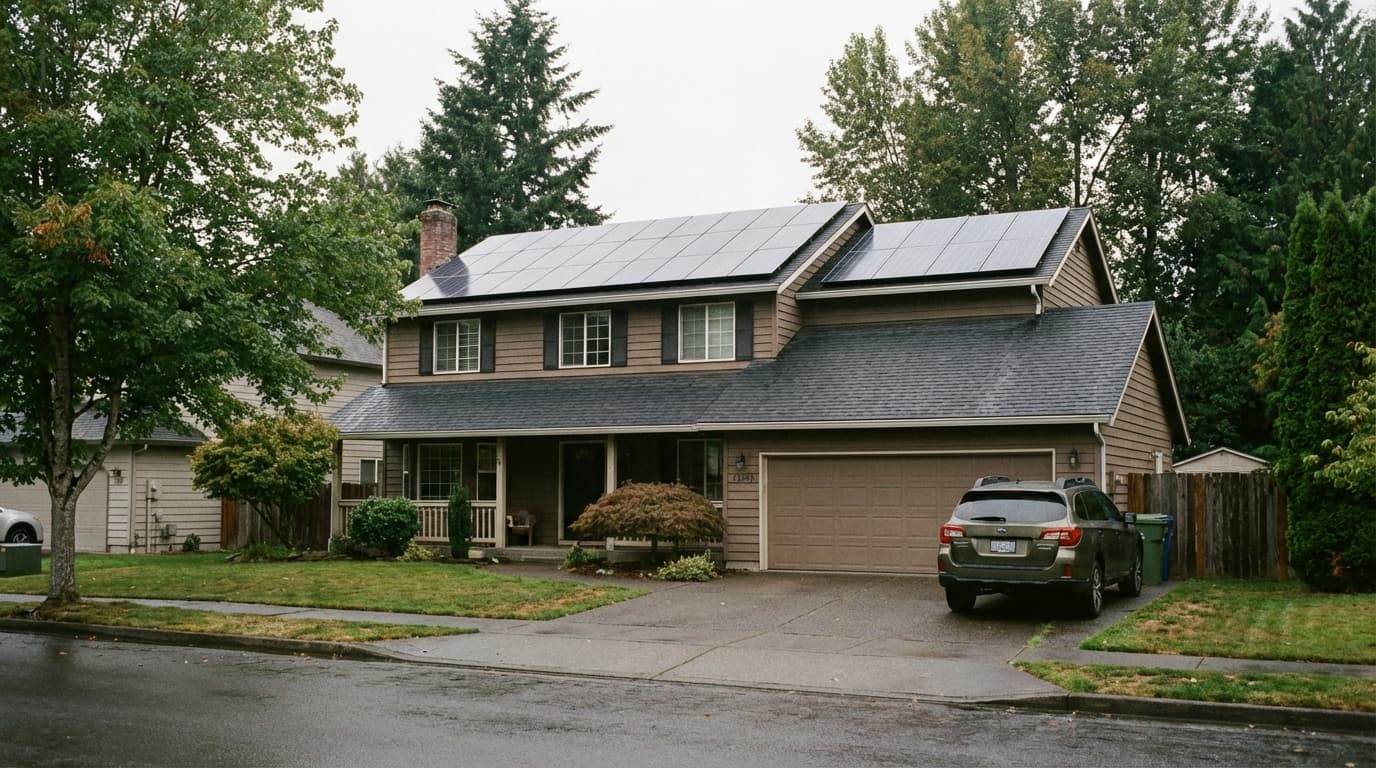
Solar Panel Cost by State
The average cost of solar panels in the US is $2.50-$3.50 per watt before incentives. With the 30% federal tax credit, a typical 6kW system costs $10,500-$14,700. Select your state below to see local costs and savings.
How Much Do Solar Panels Cost?
The cost of solar panels has dropped by more than 70% over the past decade, making solar energy more accessible than ever. In 2026, the average American homeowner pays between $15,000 and $25,000 for a complete solar panel system before incentives.
After applying the 30% federal Investment Tax Credit (ITC), that cost drops to $10,500-$17,500. Many states offer additional incentives that can reduce costs even further.
Your actual cost depends on several factors including your state, system size, roof type, local labor costs, and available incentives. Select your state below to see detailed cost information for your area.
Ready to go solar?
Get free quotes from top installers in your area
Solar Panel Cost by State
Northeast
Southeast
Midwest
Southwest
Solar Panel Cost FAQ
The average cost of a residential solar panel system in 2025 ranges from $2.50 to $3.50 per watt before incentives, depending on your state and installer. For a typical 6 kW system, this translates to $15,000-$21,000 before the federal tax credit. After the 30% federal ITC, costs drop to $10,500-$14,700. Solar costs have decreased approximately 40-50% over the past decade, making solar more affordable than ever for American homeowners.
The ideal system size depends on your electricity consumption, roof space, and budget. The average U.S. home uses about 10,500 kWh per year, which typically requires a 6-8 kW system. To estimate your needs, check your annual electricity usage on your utility bills and divide by your area's annual peak sun hours times 365. A professional solar installer can provide a precise recommendation using satellite imagery of your roof and your actual consumption data.
Several factors influence solar installation costs: system size (larger systems cost more total but less per watt), panel brand and efficiency (premium panels like SunPower or LG cost more), inverter type (microinverters cost more than string inverters), roof complexity (steep or multi-faceted roofs increase labor costs), your geographic location (installation costs vary by state), and permitting and interconnection fees. Battery storage systems add $8,000-$15,000. Labor typically accounts for about 15% of total system cost.
Yes, there are several financing options for solar. Solar loans allow you to own the system with $0 down and monthly payments that are often less than your current electricity bill. Many credit unions, banks, and specialized solar lenders offer terms of 10-25 years at competitive interest rates. Some states and utilities offer low-interest or zero-interest loan programs. Home equity loans and HELOCs can also be used to finance solar at favorable rates. Power Purchase Agreements (PPAs) and solar leases provide alternatives that require no upfront cost at all.
The solar payback period varies from 5 to 12 years depending on your location, electricity rates, system cost, and available incentives. States with high electricity rates and strong incentives (like California, Massachusetts, and New Jersey) often see payback periods of 5-7 years. States with lower electricity rates and fewer incentives may take 9-12 years. After the payback period, you essentially get free electricity for the remaining 15-20+ years of your system's life, which is where the significant long-term savings accumulate.
Yes, studies consistently show that solar panels increase home value. Research from the Lawrence Berkeley National Laboratory found that solar installations add approximately $4 per watt to a home's resale value, meaning a 6 kW system could add about $24,000. Homes with solar panels sell an average of 20% faster than comparable homes without solar. Many states also offer property tax exemptions for solar, meaning you benefit from the increased value without paying higher property taxes.
Start Saving with Solar Today
Join thousands of homeowners who've switched to clean energy
Get Your Free Quote