Best Whole Home Generators 2026: Generac, Solar Battery & Backup Options Compared
Compare the best whole house emergency generators for 2026 including Generac, Kohler, and solar battery backup alternatives like Tesla Powerwall. Pricing, features, and recommendations.
Why Every Homeowner Should Have a Whole Home Backup Plan
Power outages are no longer a rare inconvenience. Between 2020 and 2025, the average American experienced more than eight hours of power interruption per year. Whether you live in a hurricane zone, an area prone to ice storms, or a region with rolling blackouts, having a reliable whole house emergency generator or home power system is essential.
Types of Whole Home Generators
Natural Gas and Propane Standby Generators
A standby generator is permanently installed outside your home. It connects directly to your electrical panel and runs on either natural gas or liquid propane. When the grid goes down, an automatic transfer switch detects the outage and starts the generator within 10 to 30 seconds.
Standby generators range from 10 kW for essential-load coverage to 26 kW or more for whole-home backup.
Portable Generators
Portable generators run on gasoline and cost $500 to $3,000. However, they require manual startup, extension cords, regular refueling, and pose carbon monoxide risks. For whole-home backup, they are generally not recommended.
Solar Battery Backup Systems
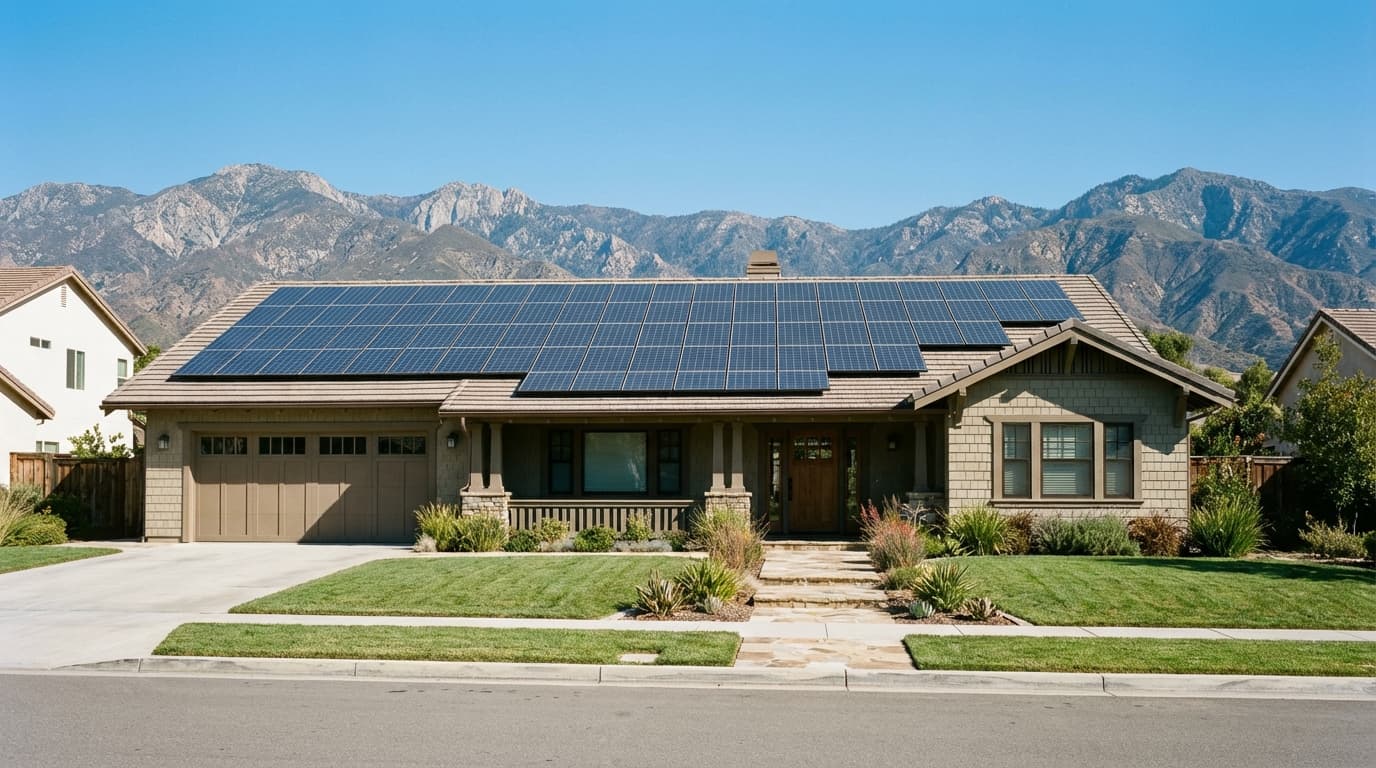
Solar battery systems store electricity generated by solar panels or drawn from the grid. When an outage occurs, the battery powers your home automatically in milliseconds. Leading options include Tesla Powerwall 3, Enphase IQ Battery 5P, and FranklinWH aPower. These qualify for the 30 percent federal Investment Tax Credit.
Best Home Standby Generators for 2026
Generac Guardian Series
Generac dominates with roughly 75 percent market share.
Generac Home Generators Pricing:
What does a Generac cost fully installed? Total Generac backup generator cost typically ranges from $8,000 to $15,000 for a whole-home system, including installation ($3,000 to $5,000), concrete pad, automatic transfer switch, gas line work, and permits.
Kohler Generators
Known for premium build quality and quieter operation. Installed cost: $10,000 to $18,000 for whole-home systems. Five-year comprehensive warranty.
Briggs & Stratton
Budget-friendly standby generators. Installed cost: $7,500 to $14,000. Six-year limited warranty with Symphony II power management.
Fuel Costs, Maintenance, Noise, and Environmental Impact
Fuel and Operating Costs
Natural gas generators: $2 to $5 per hour. Propane generators: $5 to $10 per hour. A 48-hour outage costs $100 to $480 in fuel. Solar battery systems have zero fuel cost.
Maintenance
Generators require annual service ($200 to $500) including oil changes, filters, and spark plugs. Solar batteries require virtually zero maintenance.
Noise Levels
Generators produce 60 to 75 decibels. Solar batteries operate in complete silence.
Automatic Transfer
Generators switch over in 10 to 30 seconds. Solar batteries switch in milliseconds, so fast that clocks do not reset.
Solar and Generator Combo: The Best of Both Worlds
For maximum resilience, combining a solar battery system with a smaller standby generator provides comprehensive coverage. The battery handles daily energy management and short outages. The generator serves as a backstop for extended multi-day events.
FranklinWH and some Enphase configurations support native generator integration, automatically starting the generator when battery levels drop below a threshold.

Do You Need a Generator if You Have Solar Panels?
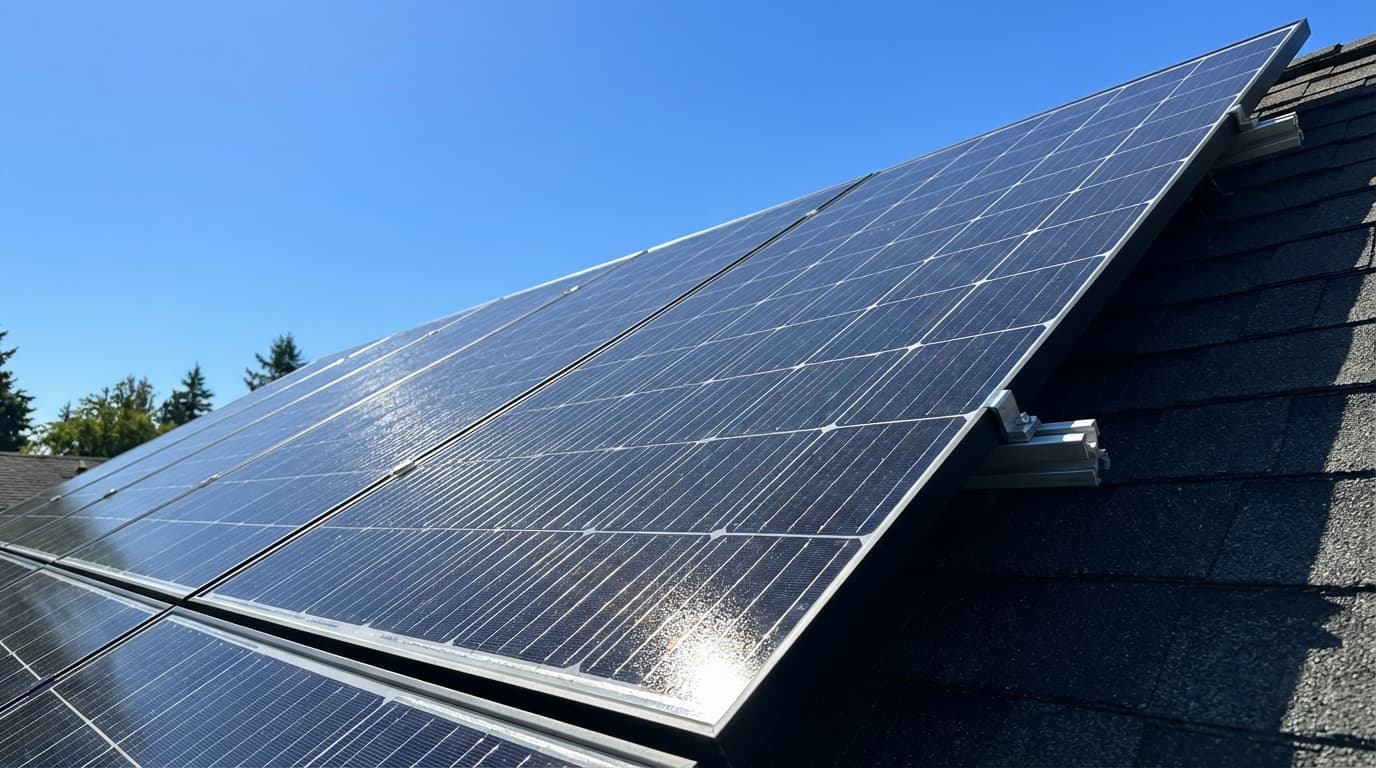
Solar panels alone do not provide backup power. Standard grid-tied systems shut down during outages. Solar panels plus a battery eliminate the need for a generator in most cases. A properly sized system can provide days of backup.
You may still want a generator if:
The Bottom Line
Generac Guardian generators remain the gold standard for affordable standby power at $8,000 to $15,000 installed. Solar battery backup from Tesla, Enphase, and FranklinWH represents the future, offering silent operation, zero emissions, and the 30 percent federal tax credit.
SmartEnergyUSA can help you evaluate your backup power options and compare quotes from qualified installers. Get a free quote today.