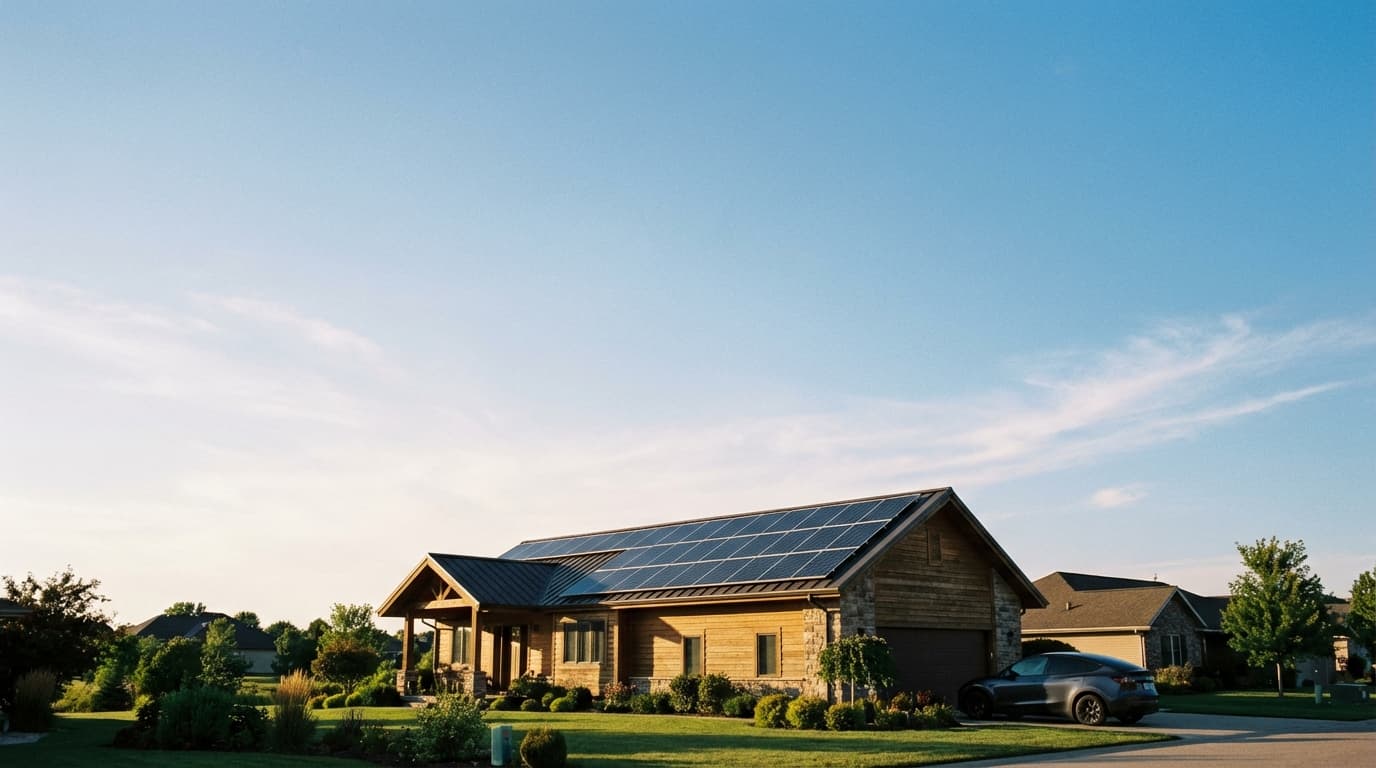
Home Battery Storage Cost by State
Compare battery storage prices across all 50 states. See how much a home battery costs with the 30% federal tax credit.
Home batteries cost about $1000/kWh installed in 2026 — compare costs by state and see Tesla Powerwall and other systems.
- Home battery storage averages about $1000 per kWh of capacity installed.
- A typical 10 kWh system costs roughly $12,000–$18,000 before incentives.
- The 30% federal tax credit applies to home batteries charged by solar.
- Backup power, peak shaving, and grid independence are the top reasons to add storage.
Which home batteries are most popular?
Compare all battery prices →Tesla Powerwall 3
Enphase IQ Battery 5P
Franklin WholHome
SolarEdge Home Battery
Generac PWRcell
Most Affordable States for Battery Storage
Most Expensive States for Battery Storage
Battery Storage Cost in All 50 States
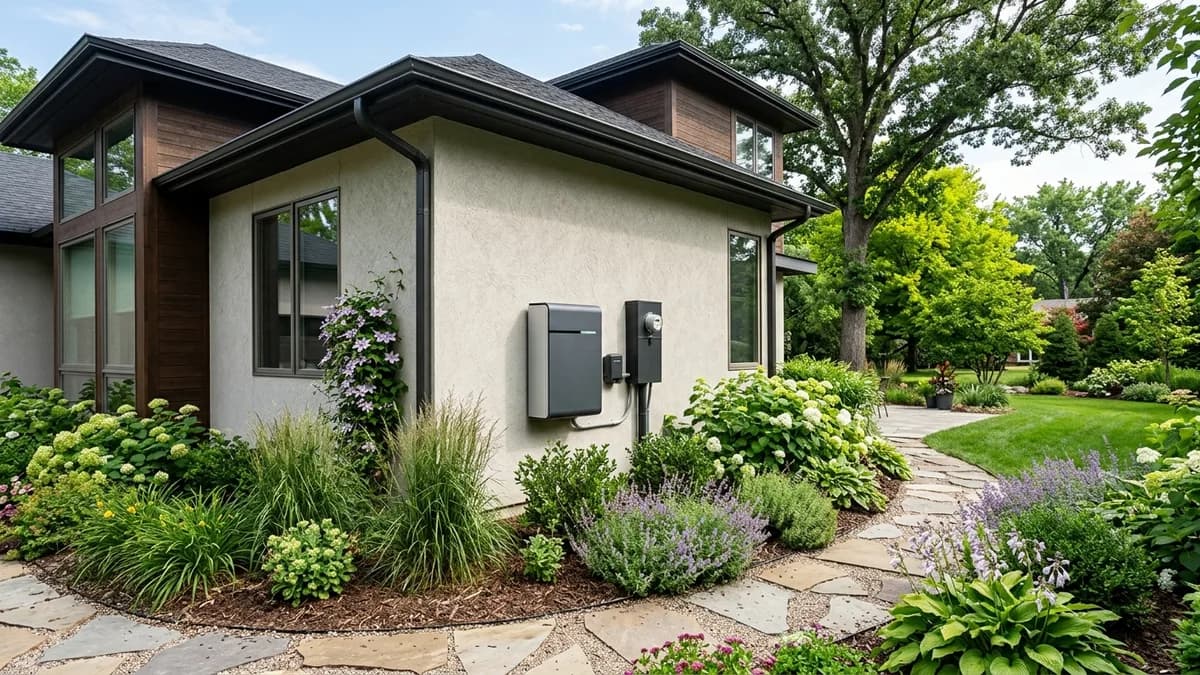
Why Add Battery Storage to Your Home?
Home battery storage systems store excess solar energy for use when the sun isn't shining, during power outages, or when electricity rates are highest. With the 30% federal tax credit now applying to standalone batteries (not just solar-paired systems), battery storage has become more affordable than ever.
A typical 10 kWh battery system costs around $10,000 before incentives, or approximately $7,000 after the federal tax credit. When paired with solar panels, batteries can increase your energy savings by 10-25% and provide hours of backup power during grid outages.
Home Battery Storage FAQ
The average cost of a home battery system is approximately $1000 per kWh of storage capacity. A typical 10 kWh system costs around $10,000 before the 30% federal tax credit, bringing the net cost to about $7,000. Costs vary by state, battery brand, and installation complexity.
Yes, the 30% federal Investment Tax Credit (ITC) applies to battery storage systems, even standalone batteries that are not paired with solar panels. This was made possible by the Inflation Reduction Act of 2022. The battery must have a capacity of at least 3 kWh to qualify.
A typical 10-13.5 kWh home battery can power essential loads (lights, refrigerator, WiFi, phone charging) for 8-12 hours during a power outage. Whole-home backup requires larger systems or multiple batteries. Actual backup time depends on your energy usage and which circuits are connected.
Battery storage can provide value even without solar panels through backup power during outages and time-of-use arbitrage (charging when rates are low, using stored energy when rates are high). However, the best return on investment comes from pairing batteries with solar panels, which allows you to store free solar energy and maximize self-consumption.

Start saving with solar today.
Join thousands of homeowners who've switched to clean energy and locked in decades of lower bills.