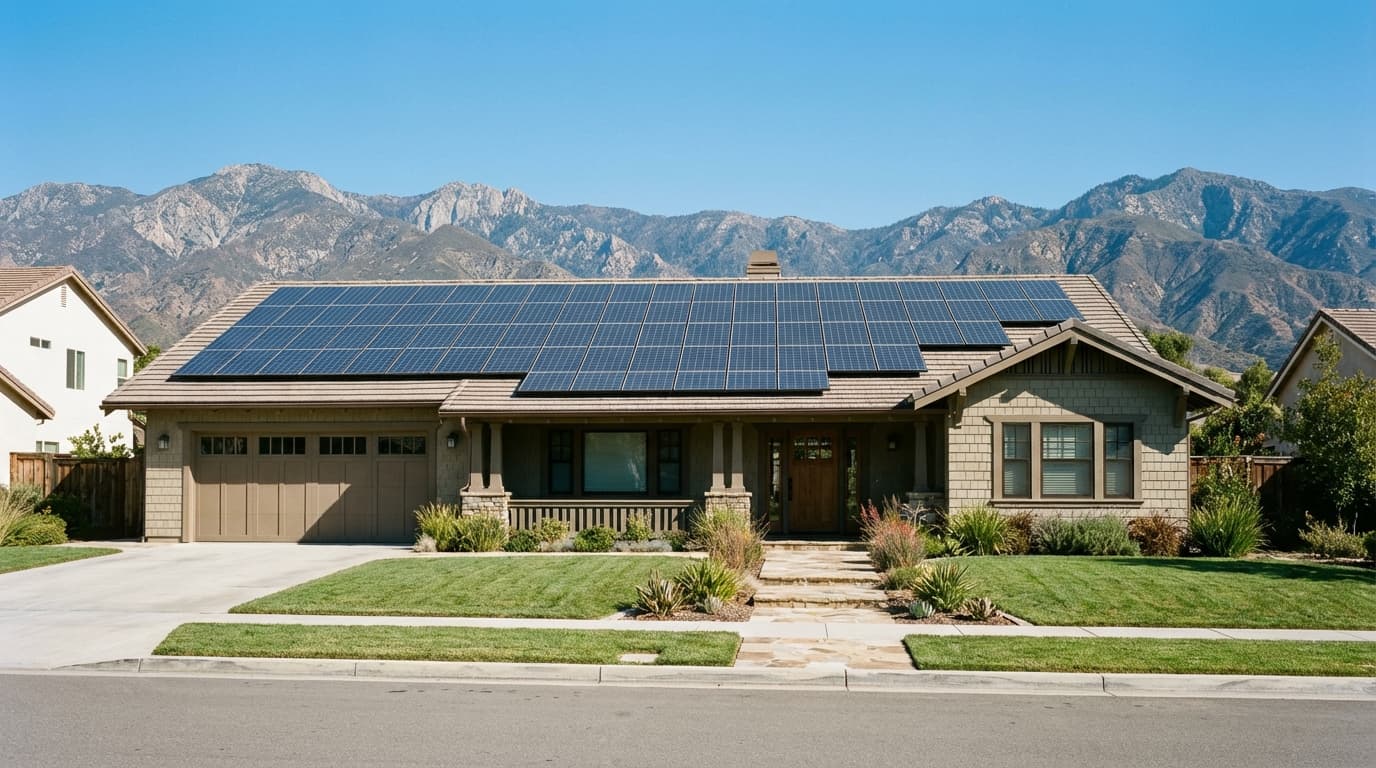
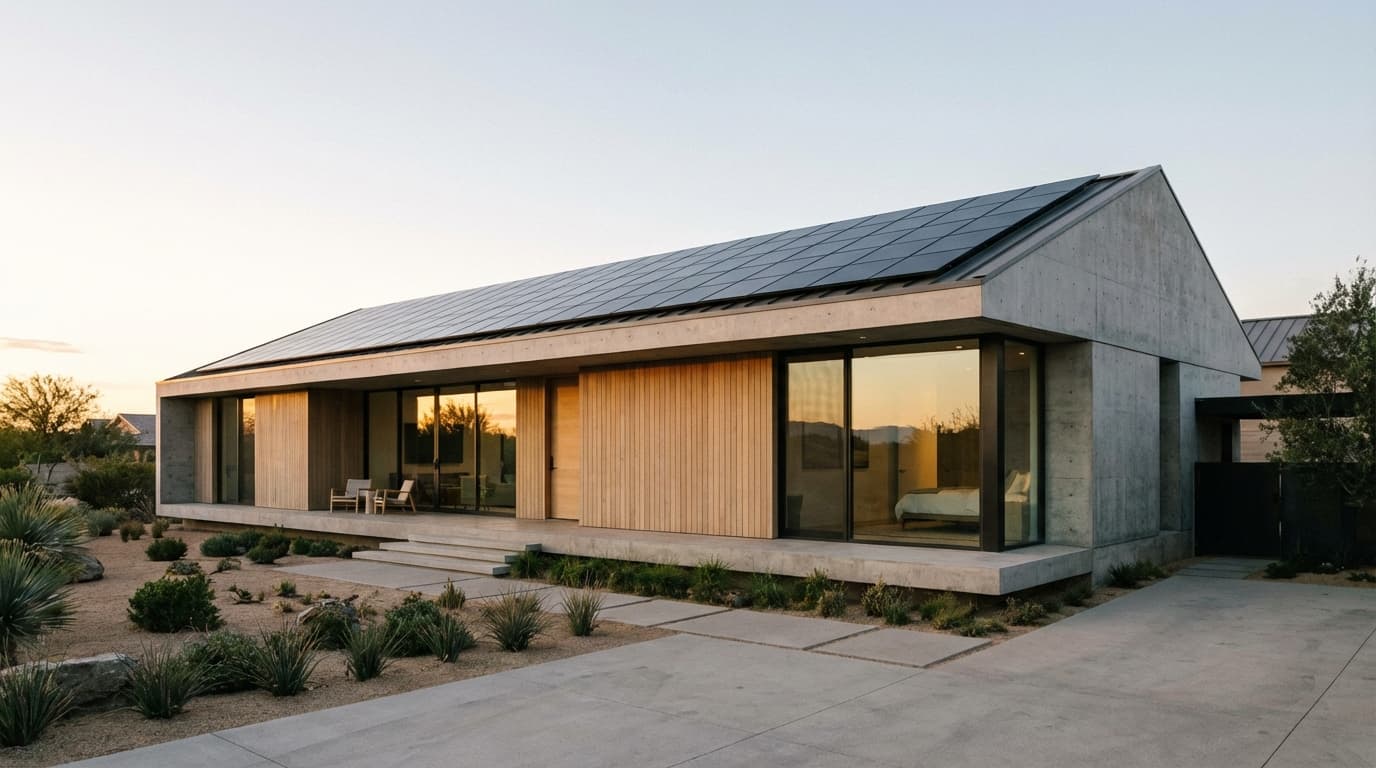
Ground Mount Solar Panels: Cost, Pros & Cons vs Roof-Mounted Systems
Ground mount solar installation costs $1.00-$1.50/watt more than roof-mounted systems. Learn the pros, cons, types, and whether ground mounted solar panels are right for your home.
What Are Ground Mount Solar Panels?
Ground mount solar panels are photovoltaic systems installed on a freestanding structure anchored to the ground rather than bolted to your roof. The panels sit on a metal racking framework supported by posts driven into the earth or set in concrete footings, with electrical wiring trenched underground back to your home's electrical panel.
Ground mounted solar panel systems generate electricity exactly the same way as roof-mounted panels. The only difference is where they sit. And that difference opens up advantages that make ground solar installation the better choice for many homeowners, particularly those with large properties, poor roof conditions, or heavy rooftop shading.
Types of Ground Mount Solar Panel Systems
Standard Fixed-Tilt Ground Mounts
Steel or aluminum posts are driven into the ground or set in concrete piers, and angled racking holds the panels at a fixed tilt optimized for your latitude (typically 25 to 35 degrees). Fixed-tilt systems cost less and have no moving parts.
Pole-Mounted Tracking Systems
These use a motor that rotates the panels to follow the sun. Single-axis trackers boost production by 15 to 25 percent. Dual-axis trackers add another 5 to 10 percent. The trade-off is two to three times the cost and periodic mechanical maintenance. For most homeowners, the extra production does not justify the premium.
How Much Does Ground Mount Solar Installation Cost?
Ground mount solar panel installation carries a premium of roughly $1.00 to $1.50 per watt over comparable roof-mounted systems.
Cost Comparison
Most residential ground mount systems fall in the $18,000 to $35,000 range before the 30 percent federal tax credit.
What Drives the Higher Cost?
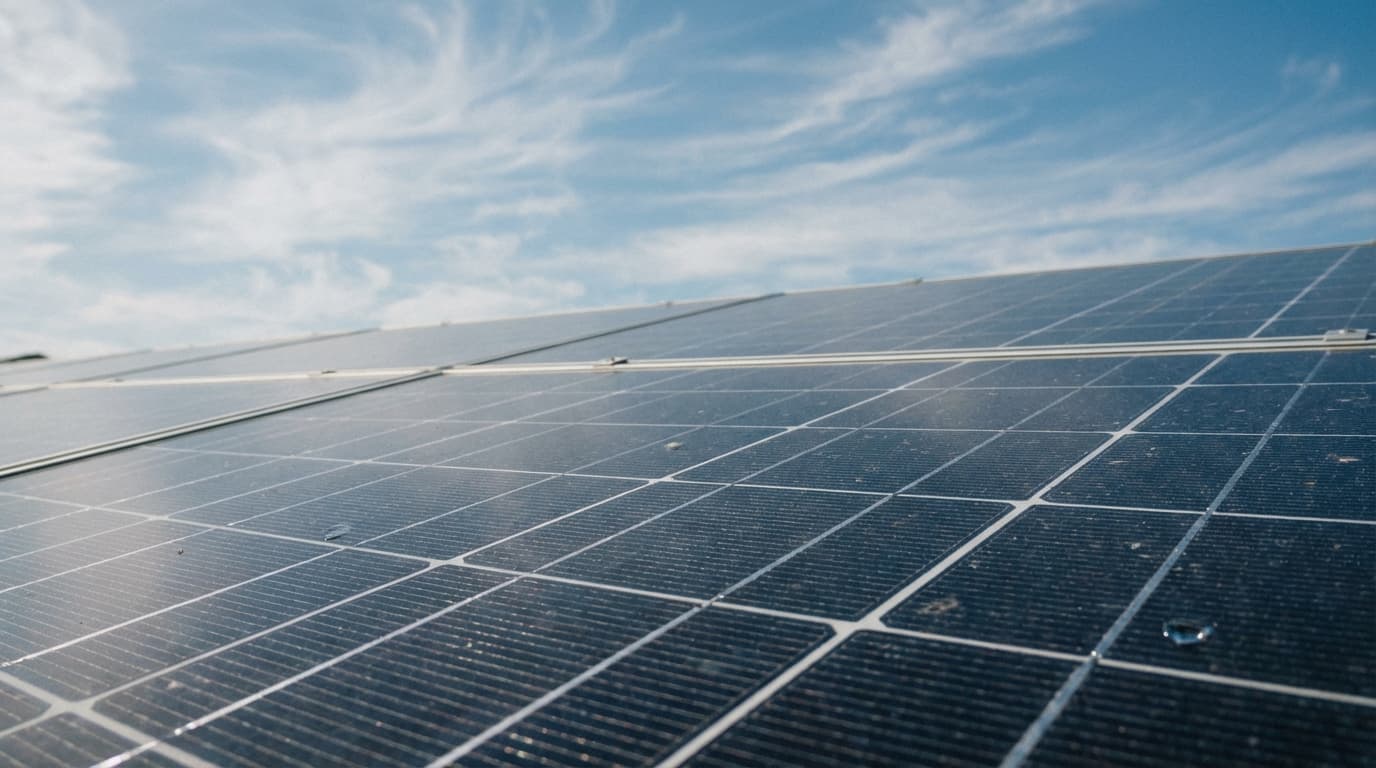
Despite the higher upfront cost, ground mounted solar panel systems often produce 10 to 20 percent more energy due to optimal tilt and better airflow cooling.
Pros of Ground Mount Solar Panels
Optimal Tilt and Orientation
The single biggest advantage. A ground mount can be positioned at the ideal tilt and oriented due south regardless of your roof geometry. That translates to 10 to 20 percent more energy production.
Easier Maintenance and Cleaning
Panels sit just a few feet off the ground, making inspections, cleaning, and repairs simple without ladders or roof work.
No Roof Penetrations
Your roof remains untouched, preserving its warranty and structural integrity.
Ideal for Bad Roofs
Old roofs, steep pitches, slate or clay tile, multiple dormers — ground mount sidesteps all of these issues.
Scalability
Adding panels is straightforward — just extend the racking. Roof-mounted systems are constrained by available space.
Cons of Ground Mount Solar Panels
Requires Significant Yard Space
A typical system needs 400 to 800 square feet of open, unshaded yard.
Higher Upfront Cost
$1.00 to $1.50 per watt premium on an 8 kW system adds $8,000 to $12,000 before incentives.
Potential HOA and Zoning Issues
Some HOAs restrict ground-mounted structures. Solar access laws that protect rooftop panels do not always extend to ground mounts.
Trenching Disrupts Your Yard
Burying conduit 18 to 36 inches deep temporarily disrupts your yard and landscaping.
The Installation Process
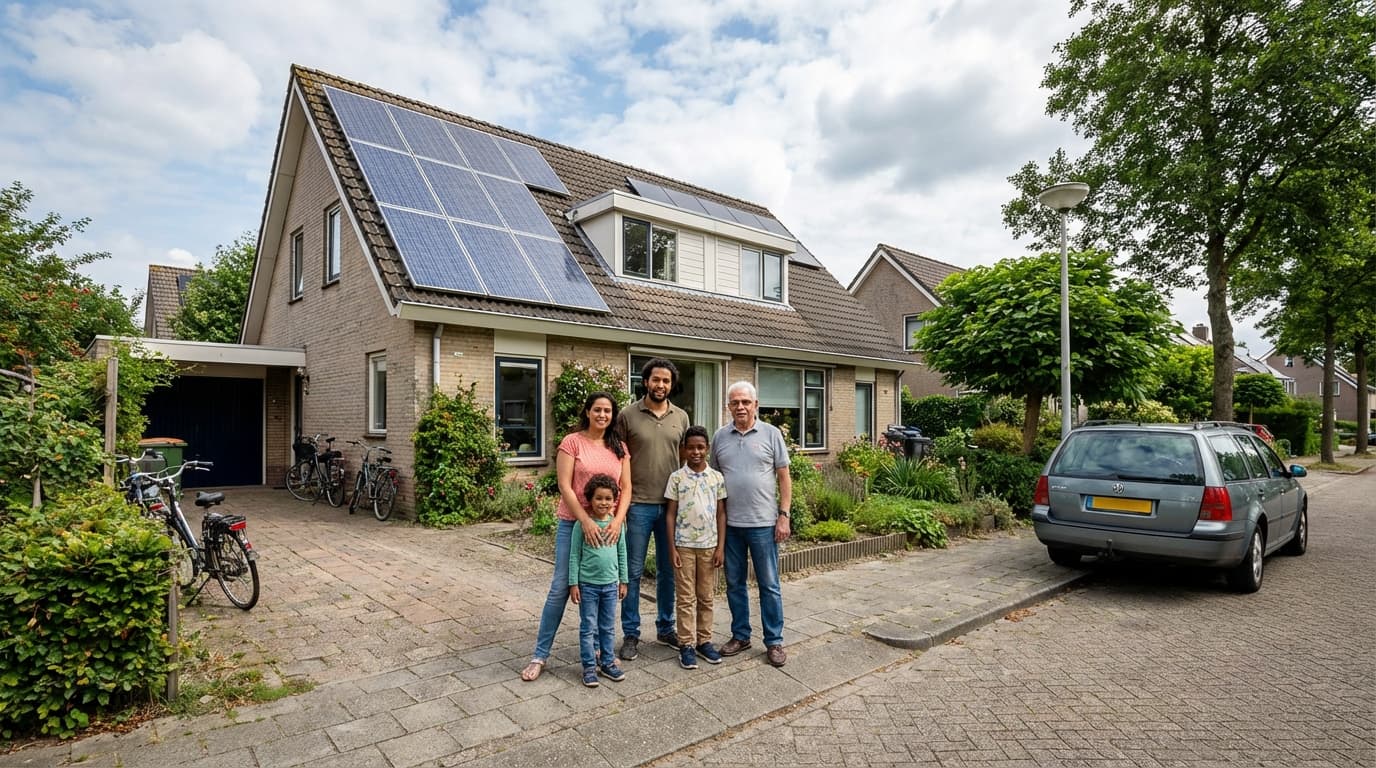
Total timeline: 6 to 12 weeks from contract to power-on.
Who Should Consider Ground Mount Solar?
California Residential Ground Mount Solar
California homeowners with flat, spacious lots in the Central Valley and Inland Empire are particularly strong candidates. With electricity rates at $0.30 to $0.40/kWh and NEM 3.0 reducing export value, maximizing self-consumption through optimal panel orientation is critical.
Other Ideal Candidates

Get a Free Ground Mount Solar Quote
SmartEnergyUSA connects you with experienced solar installers who can evaluate your property for both rooftop and ground mount options. Compare quotes, equipment options, and projected savings. Get your free quote today.