How to Choose a Solar Installer (2026)
Choosing the right solar installer is crucial for a successful project. Ask these 7 questions to find a reputable, qualified solar company near you.
Why Your Choice of Installer Matters
The solar panels on your roof are only as good as the team that installs them. A poorly installed system can underperform, develop problems, void equipment warranties, and even damage your roof. Conversely, a skilled, reputable installer ensures your system performs optimally for decades.
With thousands of solar companies operating across the country, finding the right one can feel overwhelming. These seven questions will help you separate the best from the rest.
Question 1: Are You Licensed, Bonded, and Insured?
This is the most fundamental question and the first filter to apply.
What to look for: Your solar installer should hold all required licenses for your state and municipality. At minimum, they should have a general contractor's license or an electrical contractor's license. Many states also require a specific solar or renewable energy contractor license.
They should also carry general liability insurance, workers' compensation insurance, and be bonded. Ask for proof of insurance, not just a verbal confirmation.
Why it matters: An unlicensed or uninsured installer puts you at risk. If a worker is injured on your roof without workers' comp coverage, you could be liable. If the installation is defective and the company has no bond, you have limited recourse.
Question 2: How Many Years of Experience Do You Have, and How Many Systems Have You Installed?
Experience matters enormously in solar installation.
What to look for: A company with at least 3 to 5 years of dedicated solar installation experience and a track record of at least 200 to 500 completed installations. The more experience, the better, but newer companies with experienced crews can also be excellent.
Why it matters: Experienced installers have encountered and solved the unique challenges that different roof types, electrical panels, and jurisdictions present. They know how to handle permitting efficiently, design systems for complex roof geometries, and troubleshoot issues that less experienced companies might miss.
Question 3: Do You Handle Permitting, Inspection, and Interconnection?
The paperwork side of solar can be as complex as the installation itself.
What to look for: A full-service installer handles everything: engineering design, permit applications, building inspections, and utility interconnection paperwork. They should also handle any HOA approvals if applicable.
Why it matters: Permitting and interconnection can take weeks or months. An experienced installer who has relationships with local permitting offices and utility companies can navigate this process far more efficiently than a company unfamiliar with your area.
Question 4: What Equipment Do You Offer, and Why Do You Recommend It?
The equipment your installer recommends tells you a lot about their values and expertise.
What to look for: Ask which panel brands and inverter types they install and why they recommend specific equipment. A knowledgeable installer will explain the trade-offs between different equipment tiers and help you choose based on your priorities and budget, not just push whatever they have in inventory.
Be cautious of installers who only offer one brand or who cannot explain why they chose specific equipment. Flexibility and knowledge are signs of a quality installer.
Why it matters: Equipment accounts for 40 to 50 percent of your system cost and determines your system's performance for 25 years. You want an installer who understands the nuances of different products and can tailor their recommendation to your needs.
Question 5: What Is Your Workmanship Warranty?
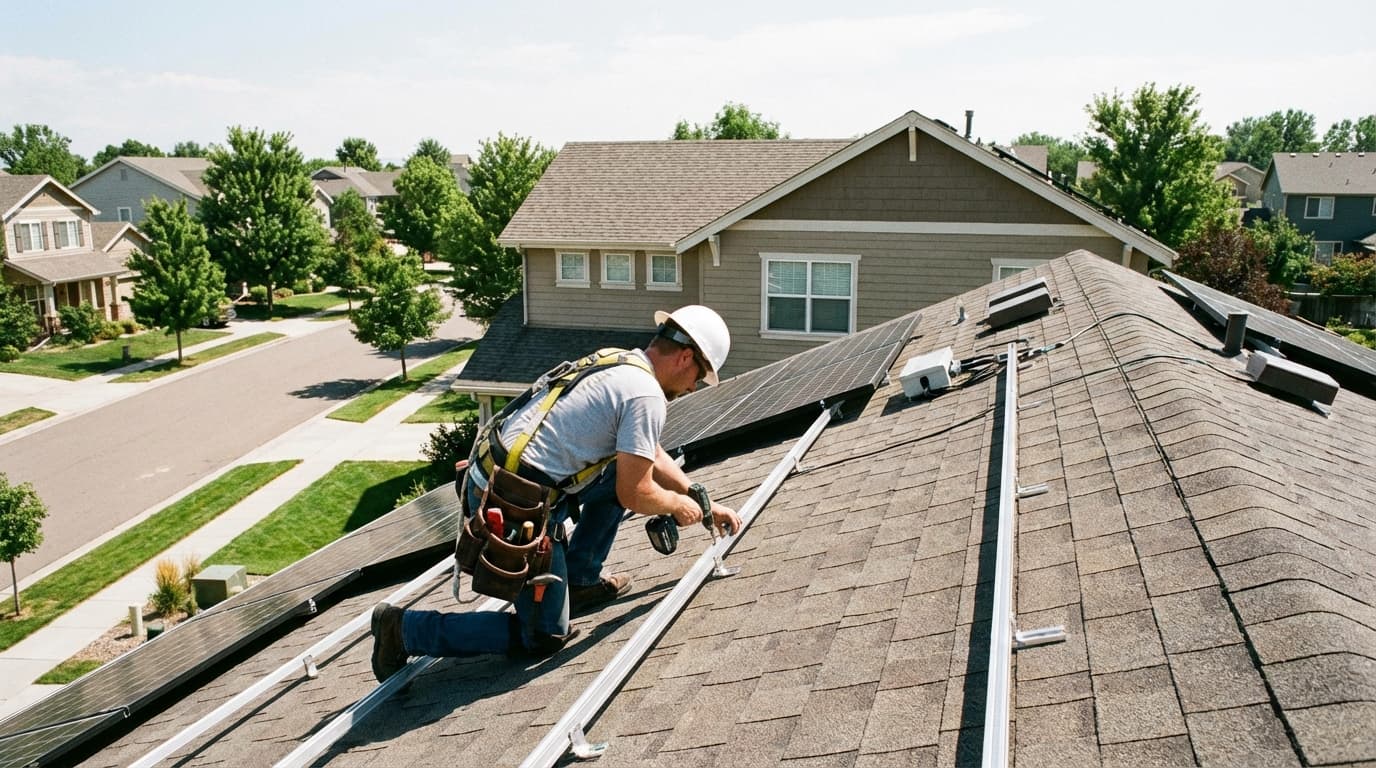
Separate from the manufacturer's equipment warranty, the installer's workmanship warranty covers the quality of the installation itself.
What to look for: A minimum 10-year workmanship warranty, ideally 15 to 25 years. The warranty should cover roof penetrations and leaks, wiring and electrical work, mounting and racking integrity, and system performance related to installation quality.
Why it matters: If your roof leaks at a mounting point five years after installation, the panel manufacturer's warranty does not cover that. You need the installer's workmanship warranty to address installation-related issues.
Question 6: Can You Provide References and Reviews?
Past performance is the best predictor of future performance.
What to look for: Ask for at least three references from recent customers (within the past year). Also check online reviews on Google, the Better Business Bureau, EnergySage, and SolarReviews. Look for patterns in the feedback rather than isolated complaints.
Red flags: A company that cannot or will not provide references, consistently negative reviews about the same issues, or an abnormally high number of complaints relative to their installation volume.
Why it matters: References and reviews provide real-world insight into the company's communication, timeliness, problem-solving, and post-installation support.
Question 7: What Happens After Installation?
The best solar companies do not disappear after your system is turned on.
What to look for: Ask about post-installation support, system monitoring, and who to call if something goes wrong. Good installers provide:
Why it matters: Solar systems are low-maintenance but not zero-maintenance. Having a responsive support team ensures small issues are caught early and resolved quickly.
Bonus Tips for Choosing an Installer
Get Multiple Quotes
Always get at least three quotes. This helps you understand the market price in your area and gives you leverage in negotiations. SmartEnergyUSA makes this easy by connecting you with multiple pre-screened installers in a single request.
Watch for High-Pressure Sales Tactics
Reputable solar companies let their product and pricing speak for themselves. Be wary of door-to-door salespeople offering limited-time deals that pressure you to sign immediately. A legitimate offer will still be available tomorrow.
Verify NABCEP Certification
The North American Board of Certified Energy Practitioners (NABCEP) is the gold standard certification for solar installers. While not all great installers are NABCEP-certified, it is a strong signal of expertise and professionalism.
Check Their Financial Stability
Your installer needs to be around for the duration of their warranty. Research the company's financial health, how long they have been in business, and whether they are growing or contracting. Local companies with deep community roots often provide the most reliable long-term support.
Start Your Installer Search
Finding a qualified, trustworthy solar installer does not have to be difficult. SmartEnergyUSA pre-screens installers for licensing, insurance, experience, and customer satisfaction, so you can focus on comparing quotes and choosing the best fit for your project.
Get your free quotes today and start the conversation with top-rated installers in your area.