Solar Panels and Home Value: What the Research Shows
Solar panels increase home value by $15,000-$25,000 on average. See what major studies reveal about solar's impact on resale price and buyer demand.
Do Solar Panels Really Increase Home Value?
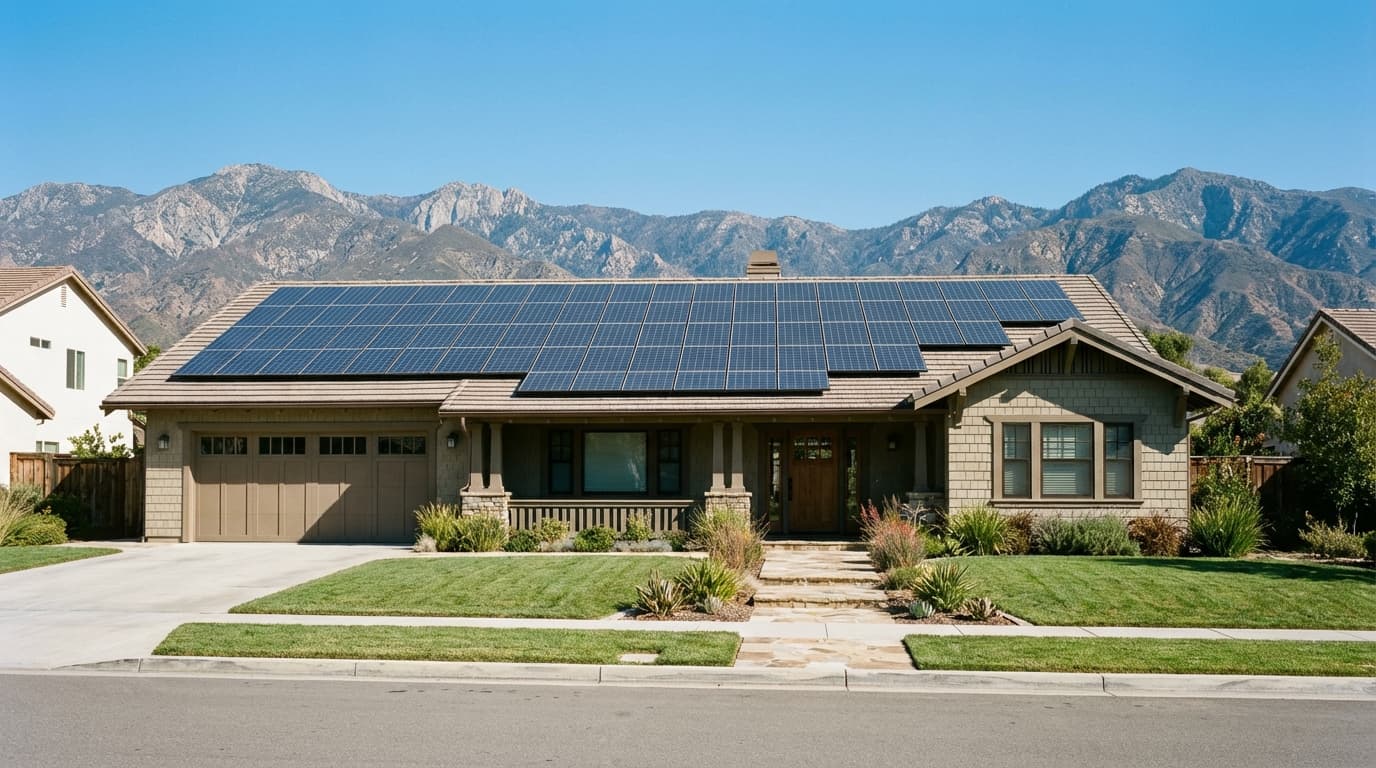
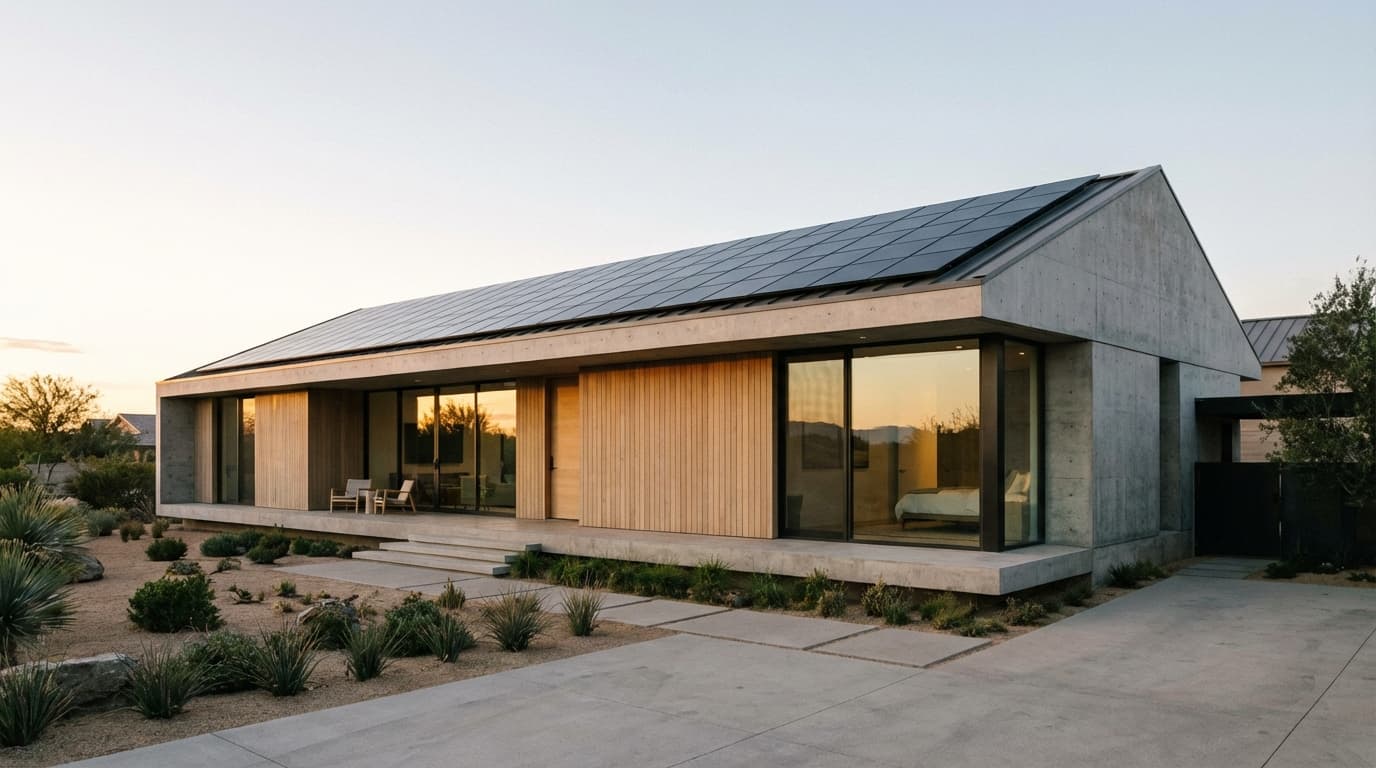
Yes. Multiple peer-reviewed studies confirm that solar panels increase a home's resale value. The research consistently shows a premium of $15,000 to $25,000 for a typical residential solar system, with some studies finding even higher premiums in solar-friendly markets.
Let us examine the key research and what it means for homeowners considering solar.
The Major Studies
Lawrence Berkeley National Laboratory Study
The most comprehensive study on solar home values was conducted by Lawrence Berkeley National Laboratory (LBNL). Analyzing over 22,000 home sales across eight states, the researchers found that solar panels added an average of $15,000 to a home's sale price. This premium held true even after controlling for other factors like home size, age, and location.
The study also found that the premium was roughly equivalent to the net cost of the solar system (after incentives), meaning homeowners who sold their homes shortly after installing solar essentially recouped their investment through the higher sale price.
Zillow Research
Zillow's analysis of millions of home sales found that homes with solar panels sold for an average of 4.1 percent more than comparable homes without solar. On a $400,000 home, that translates to roughly $16,400. The premium varied by market, with some areas seeing increases of up to 5.4 percent.
National Bureau of Economic Research
A study published through the National Bureau of Economic Research found that solar homes sold for 3.5 to 4.0 percent more than non-solar homes in California, with the premium being larger for homes with owned (rather than leased) solar systems.
Factors That Affect the Solar Home Value Premium
Owned vs. Leased Systems
Homes with owned solar systems command a significantly higher premium than homes with leased systems. Owned systems are a clear asset that the buyer inherits. Leased systems come with an obligation: the buyer must either assume the lease payments or the seller must buy out the lease.
In some cases, a solar lease can actually make a home harder to sell if the buyer does not want the lease obligation. This is one more reason to consider purchasing your system rather than leasing.
System Size and Condition
Larger systems that offset a higher percentage of electricity usage add more value. A system that covers 100 percent of a home's energy needs is more attractive to buyers than one covering 50 percent. Systems in good condition with remaining warranty coverage also command higher premiums.
Local Electricity Rates
The premium is larger in markets with high electricity rates. In states like California, Massachusetts, and Connecticut where electricity costs $0.25 or more per kWh, buyers recognize the significant ongoing savings that solar provides and are willing to pay more for solar-equipped homes.
Market Awareness
In areas where solar is common and well understood, the premium tends to be higher because buyers can more easily recognize and value the benefit. In markets where solar is still rare, the premium may be lower or require more buyer education during the sales process.
Solar and Property Taxes
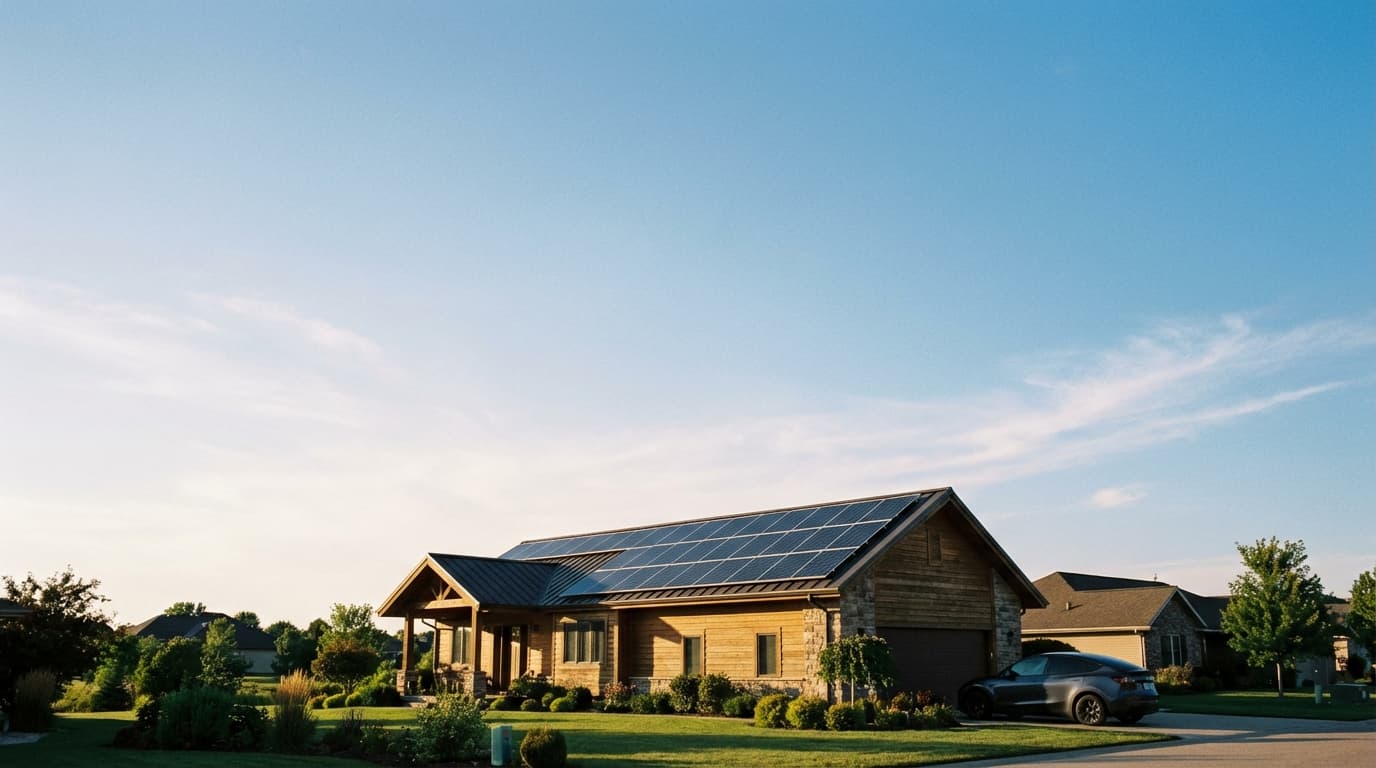
One concern homeowners sometimes have is whether the increased home value from solar will raise their property taxes. The good news is that most states have enacted property tax exemptions for solar energy systems:
How Solar Affects Selling Your Home
Marketing Advantage
Solar panels are a selling point that distinguishes your home from comparable listings. In a competitive market, solar can be the differentiator that attracts more buyers and drives offers above asking price.
Faster Sales
Studies suggest that solar homes sell faster on average. Buyers are increasingly environmentally conscious and financially savvy, and they recognize the value of eliminating or drastically reducing electricity costs.
What to Prepare for Buyers
When selling a solar-equipped home, prepare the following documentation for potential buyers:
Appraiser Considerations
Real estate appraisals of solar homes can be tricky. Not all appraisers are trained to properly value solar energy systems. If your appraiser undervalues your solar system, you or your real estate agent can provide comparable sales data from solar homes in your area and reference the income approach, which values the system based on the present value of future electricity savings.
Calculating Your Solar ROI Including Home Value
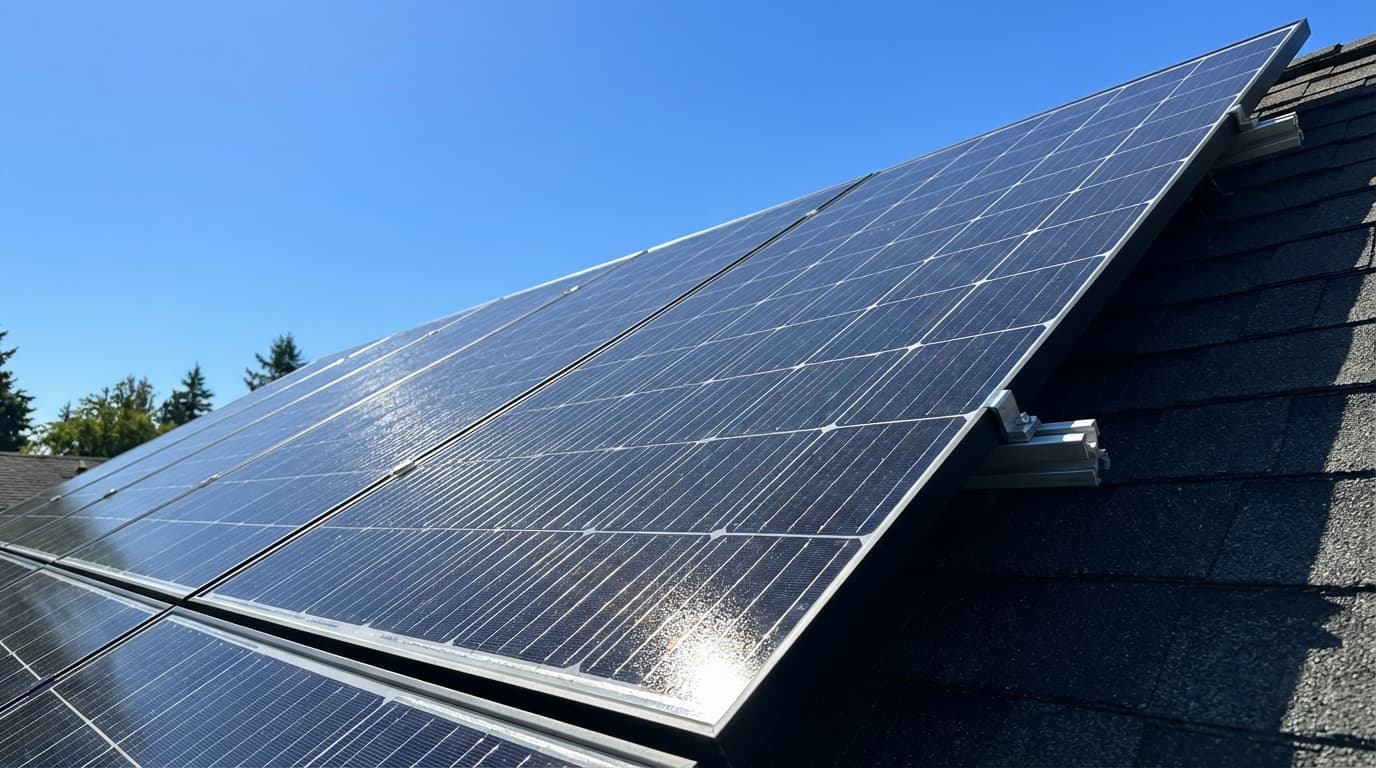
When calculating the return on investment for solar, many homeowners only consider electricity savings. Adding the home value increase dramatically improves the picture:
Even if you sell your home after just 5 years, the home value premium plus 5 years of electricity savings often exceeds your net cost, meaning you come out ahead financially.
The Bottom Line
Solar panels are one of the few home improvements that pay for themselves and then some. They reduce your monthly bills from day one, increase your home's resale value, and in most states do not raise your property taxes.
Ready to add value to your home while cutting your electricity costs? Get a free quote through SmartEnergyUSA to see what solar can do for your home's bottom line.