Tesla Powerwall 2 vs Powerwall 3: Full Comparison Guide
Compare Tesla Powerwall 2 vs Powerwall 3 specs, cost, capacity, and features side by side. Learn which Tesla battery is right for your home in 2026.
Tesla Powerwall 2 vs Powerwall 3: Which Battery Is Right for You?
Tesla has dominated the residential battery storage market since the original Powerwall launched in 2015. With the Powerwall 3 now widely available and the Powerwall 2 officially discontinued, homeowners face an important question: what are the real differences between the Tesla Powerwall 2 and Powerwall 3, and is it worth upgrading?
Whether you are shopping for your first home battery or considering replacing an existing Powerwall 2, this comprehensive comparison covers every detail you need to make an informed decision. We break down Tesla Powerwall 2 vs 3 specs, pricing, performance, and compatibility so you can choose with confidence.
Tesla Powerwall 2: Overview
The Powerwall 2 launched in 2016 and quickly became the best-selling home battery in America. It offered a major leap over the original Powerwall with double the storage capacity and a sleek, wall-mounted design. Although Tesla has discontinued new Powerwall 2 sales, hundreds of thousands of units remain in active service across the country.
Powerwall 2 Key Specifications
The Powerwall 2 was a reliable, proven product with years of real-world performance data. Its 13.5 kWh Tesla Powerwall capacity is enough to power most homes through an evening and overnight, covering essential loads for 10 to 12 hours or whole-home backup for 4 to 6 hours depending on consumption.
Powerwall 2 Limitations
The biggest limitation of the Powerwall 2 is its 5 kW continuous power output. While adequate for essentials like lights, refrigerators, and electronics, it struggles with high-draw appliances. Running an air conditioner, electric dryer, or EV charger simultaneously during a power outage can exceed the 5 kW limit.
The lack of an integrated solar inverter also means Powerwall 2 installations require a separate string inverter or microinverters, adding cost and complexity.
Tesla Powerwall 3: Overview
The Powerwall 3 represents Tesla's most significant battery redesign. It more than doubles the continuous power output, integrates a solar inverter directly into the unit, and streamlines the entire installation process.
Powerwall 3 Key Specifications
The jump to 11.5 kW continuous output is the headline improvement. A single Powerwall 3 can comfortably handle whole-home backup, including air conditioning, cooking appliances, and even EV charging during a grid outage.
Tesla Powerwall 3 MPPT Inputs Explained
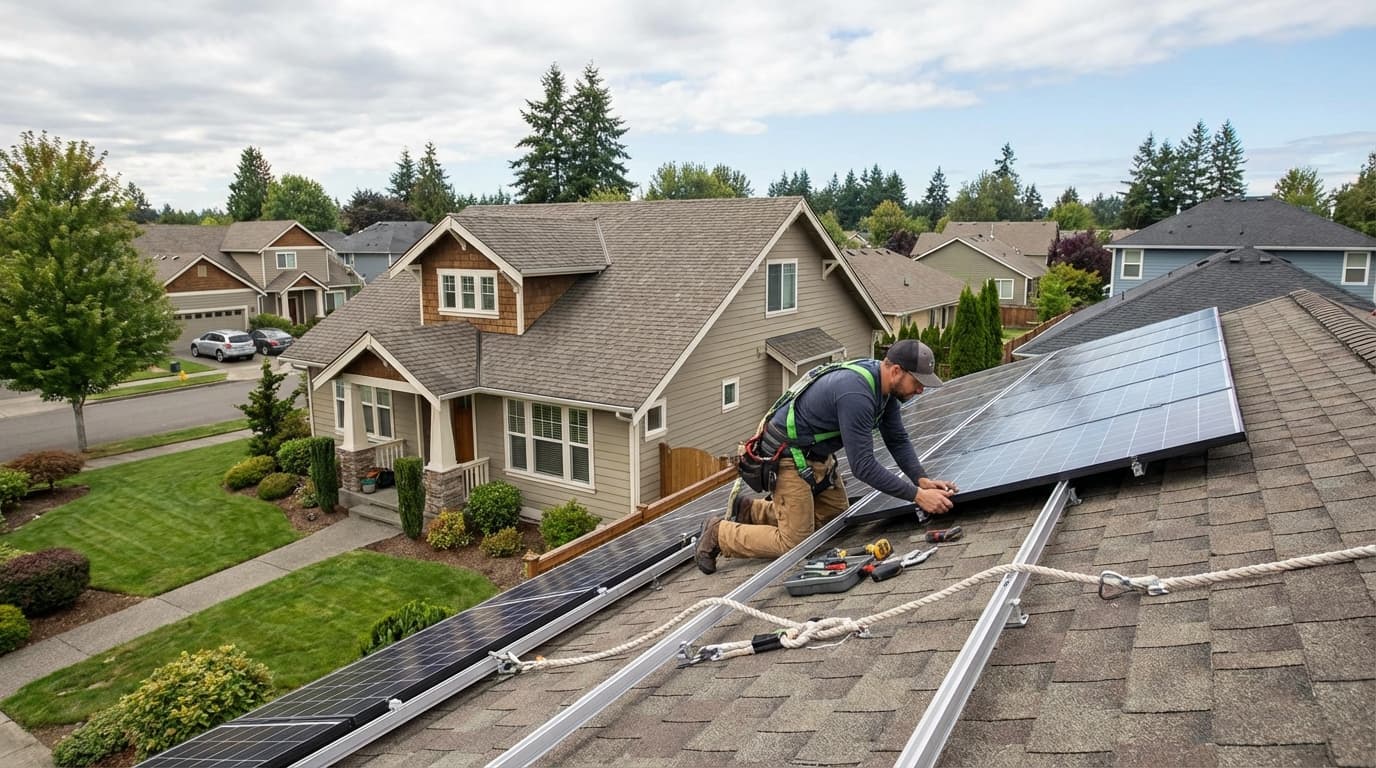
One of the most significant additions in the Powerwall 3 is its integrated solar inverter with 6 MPPT (Maximum Power Point Tracking) inputs. Each MPPT input can independently optimize a string of solar panels, which is critical when panels face different directions or experience partial shading.
The 6 MPPT inputs support up to 20 kW of total solar input. This is enough for most residential systems and eliminates the need for a separate solar inverter entirely. Having 6 independent MPPT channels means you can run strings of panels on south-facing, east-facing, and west-facing roof planes without performance losses from mismatched orientations.
Side-by-Side Spec Comparison: Powerwall 2 vs 3
Here is the complete Powerwall specifications comparison for every metric that matters:
Storage and Power
Inverter and Solar Integration
Installation and Physical
The Powerwall specifications reveal that while both units share the same 13.5 kWh Tesla Powerwall capacity, the Powerwall 3 delivers dramatically better performance in every other category.
Powerwall 3 Cost vs Powerwall 2 Price: Understanding the Value
The Tesla Powerwall 2 price ranged from $8,500 to $11,000 fully installed when it was still available. The Powerwall 3 cost runs from $9,200 to $14,500 installed. At first glance, the Powerwall 3 appears more expensive, but the true cost picture tells a different story.
Total System Cost Comparison
When you factor in the separate solar inverter that Powerwall 2 requires, the gap narrows significantly:
The Powerwall 3 actually costs less as a complete system in many configurations because it eliminates the separate inverter and backup gateway.
Federal Tax Credit Impact
Both Powerwall generations qualify for the 30 percent federal Investment Tax Credit when installed with a solar energy system. On a $12,000 Powerwall 3 installation, the ITC reduces your out-of-pocket cost to $8,400, making it comparable to the lower end of Powerwall 2 pricing.

Should You Upgrade from Powerwall 2 to Powerwall 3?
Upgrade If You Need More Power Output
If your Powerwall 2 struggles to keep up during outages because you need to run air conditioning, an electric range, or an EV charger, the Powerwall 3's 11.5 kW output solves that problem.
Upgrade If Your Solar Inverter Needs Replacement
If your existing solar inverter is aging or has failed, replacing it with a Powerwall 3 makes more sense than buying a new standalone inverter.
Keep Your Powerwall 2 If It Meets Your Needs
If your Powerwall 2 handles your backup needs adequately and your solar inverter is working well, there is no urgent reason to upgrade. It continues to receive software updates and will serve you well for the remainder of its warranty and beyond.
Compatibility: Can You Mix Powerwall 2 and Powerwall 3?
Tesla does not support mixing Powerwall 2 and Powerwall 3 units in the same system. The two generations use different architectures, communication protocols, and gateway systems. If you want to add storage to an existing Powerwall 2 installation, your options are:
Which Tesla Battery Should You Choose in 2026?
For new installations, the Powerwall 3 is the clear choice. It offers better power output, higher efficiency, integrated solar conversion with 6 MPPT inputs, a built-in backup gateway, and competitive total system pricing.
For existing Powerwall 2 owners, the upgrade decision hinges on whether your current system meets your power needs. If you are satisfied with your Powerwall 2's performance, keep it. If you need more power for whole-home backup or your solar inverter needs replacement, upgrading to the Powerwall 3 is a smart investment.
Key Takeaways
Get the Right Battery for Your Home
Choosing the right home battery is one of the most important decisions in your solar journey. SmartEnergyUSA connects you with certified Tesla installers in your area who can assess your energy needs, design the optimal system, and provide competitive pricing on Powerwall 3 installations. Get your free quote today to find out how much you can save with solar and battery storage.