Battery Storage

Battery Backup vs Generator: Pros and Cons

Comparing battery backup systems to generators for home backup power. Learn the costs, maintenance, noise levels, and which is best for your situation.

James Park
Technical Writer
Published January 5, 2026
10 min read

The Backup Power Decision

Power outages are becoming more frequent across the United States, driven by extreme weather, aging infrastructure, and increasing grid strain. Homeowners who want reliable backup power face a choice: install a battery backup system or a traditional generator.

Both solutions keep your lights on during outages, but they work very differently and have distinct advantages and disadvantages. Let us compare them head to head.

Battery Backup Systems

How They Work

A home battery system stores electricity from either your solar panels or the grid. When the grid goes down, the battery automatically disconnects from the grid (a process called islanding) and powers your home using stored energy. If you have solar panels, they continue charging the battery during the outage, potentially providing indefinite backup power.

Typical Costs

  • Single battery (13.5 kWh): $9,000 to $12,000 installed before incentives
  • Two batteries (27 kWh): $18,000 to $22,000 installed before incentives
  • After 30% federal ITC: Costs drop by 30 percent (batteries qualify for the ITC even without solar)
  • Backup Duration

    A single 13.5 kWh battery powers essential loads (refrigerator, lights, Wi-Fi, phone chargers) for 10 to 12 hours. With solar panels recharging the battery daily, backup duration becomes essentially unlimited for essential loads.

    For whole-home backup including HVAC, you typically need two or more batteries. A dual-battery setup (27 kWh) can run a full home for 8 to 12 hours depending on usage, with solar extending that indefinitely.

    Advantages

  • Silent operation: Batteries produce zero noise. Your neighbors will never know you are on backup power.
  • Zero emissions: No exhaust, no carbon monoxide risk, and no fuel storage.
  • Automatic operation: Batteries switch over in milliseconds, often so fast that you do not even notice the outage.
  • Dual purpose: Beyond backup, batteries provide daily value through time-of-use arbitrage, self-consumption optimization, and grid services.
  • Low maintenance: No moving parts, no oil changes, no fuel filters. Batteries require virtually zero maintenance.
  • Indoor or outdoor installation: Batteries can be installed in garages, basements, or on exterior walls.
  • Tax credit eligible: The 30 percent federal ITC applies to battery storage systems.
  • Disadvantages

  • Higher upfront cost: Batteries cost more than equivalent generators, though the ITC narrows the gap.
  • Limited capacity: Battery capacity is finite. Without solar, a battery will eventually run out during a prolonged outage.
  • Finite lifespan: Batteries last 10 to 15 years before needing replacement. However, they provide daily value throughout their life, not just during outages.
  • Standby Generators

    How They Work

    A standby generator is a permanently installed unit that runs on natural gas or propane. When it detects a grid outage, an automatic transfer switch activates the generator within 10 to 30 seconds. The generator produces electricity as long as it has fuel.

    Typical Costs

  • Partial-home generator (10-16 kW): $4,000 to $8,000 installed
  • Whole-home generator (20-26 kW): $10,000 to $18,000 installed
  • No federal tax credit applies to generators
  • Backup Duration

    With a natural gas connection, a standby generator can run indefinitely (as long as the gas supply is maintained). Propane generators are limited by tank size but can typically run for several days on a standard 500-gallon tank.

    Advantages

  • Lower upfront cost: Generators are generally less expensive than equivalent battery systems before tax credits.
  • Unlimited runtime: Natural gas generators can run indefinitely, making them ideal for extended multi-day outages.
  • High power output: A 22 kW generator can power an entire large home including HVAC, electric dryer, oven, and more simultaneously.
  • Proven technology: Generators have been used for decades and are well understood.
  • Disadvantages

  • Noise: Generators produce 60 to 75 decibels of noise, comparable to a loud conversation or a vacuum cleaner. Some municipalities have noise ordinances that restrict generator use.
  • Emissions: Generators burn fossil fuel and produce carbon monoxide, requiring outdoor installation with proper clearances from windows and doors.
  • Ongoing maintenance: Generators need regular oil changes, filter replacements, and exercise runs. Annual maintenance costs run $200 to $500.
  • Fuel dependence: During widespread disasters, natural gas supply can be disrupted and propane deliveries may be delayed.
  • No daily value: A generator sits idle 99 percent of the time. It provides value only during outages.
  • Slower switchover: The 10 to 30 second startup time means a brief blackout before backup power kicks in. Sensitive electronics may be affected.
  • No tax credit: Generators do not qualify for the federal ITC or most state incentives.
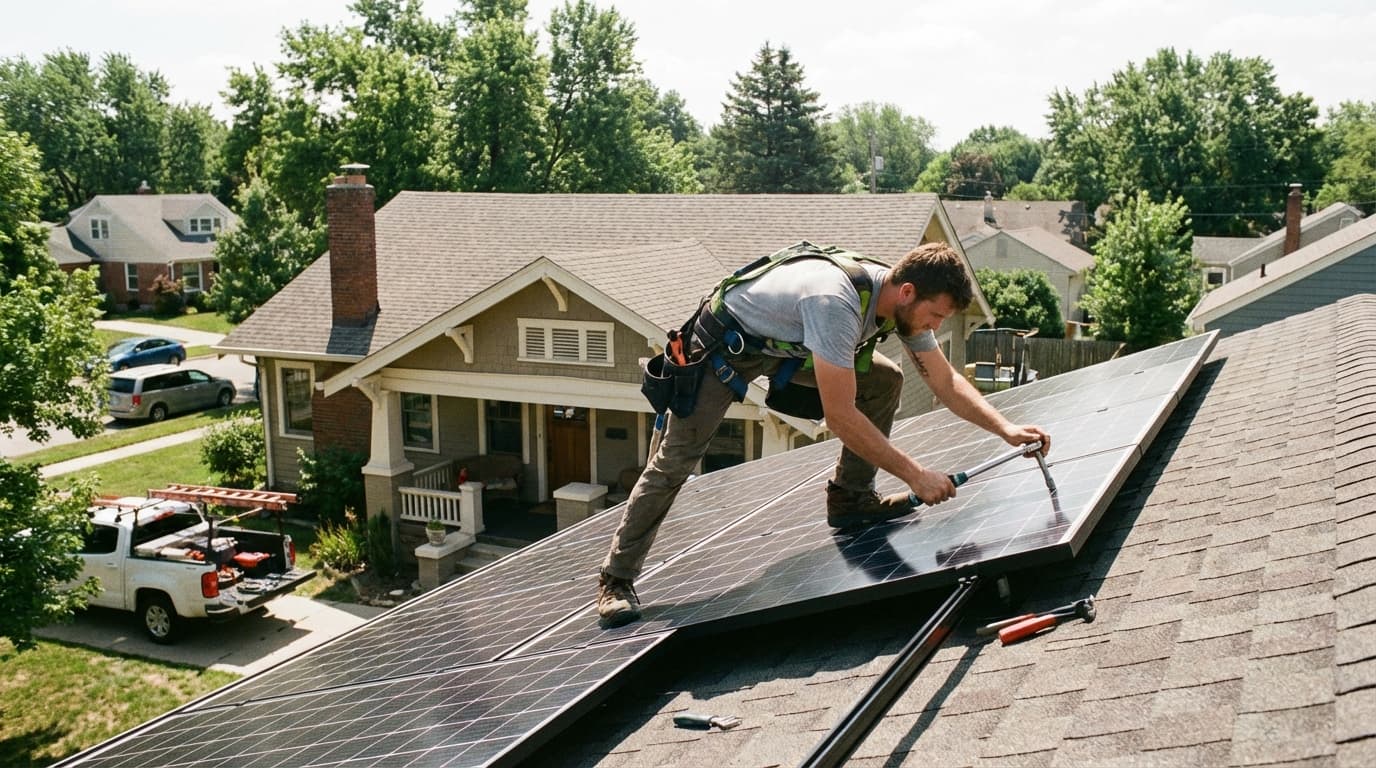
  • Workers carefully placing solar panels on a rooftop - Battery Backup vs Generator: Pros and Cons

    Side-by-Side Comparison

    | Feature | Battery Backup | Standby Generator |

    |---------|---------------|-------------------|

    | Upfront cost | $9,000-$22,000 | $4,000-$18,000 |

    | After tax credit | $6,300-$15,400 | No credit available |

    | Noise | Silent | 60-75 dB |

    | Emissions | None | Carbon monoxide, CO2 |

    | Switchover time | Milliseconds | 10-30 seconds |

    | Runtime without sun | 10-24 hours | Unlimited (with fuel) |

    | Runtime with solar | Unlimited | N/A |

    | Maintenance | None | $200-$500/year |

    | Daily value | Yes (TOU, self-consumption) | No |

    | Lifespan | 10-15 years | 15-20 years |

    Which Should You Choose?

    Choose a Battery If:

  • You have or plan to install solar panels
  • Your outages are typically short (under 24 hours)
  • You value quiet, clean operation
  • You want daily savings from TOU arbitrage or self-consumption
  • You qualify for the 30 percent federal tax credit
  • You live in a neighborhood with noise restrictions
  • Choose a Generator If:

  • You experience frequent, prolonged outages (multiple days)
  • You need to power your entire home including heavy loads during outages
  • Your budget is tight and you do not plan to install solar
  • You have access to natural gas and want unlimited runtime
  • You live in a rural area where generator noise is not a concern
  • Consider Both

    Some homeowners install a battery system for daily value and short outages, plus a smaller generator as a backup for extended events. This hybrid approach provides the best of both worlds, though at higher total cost.

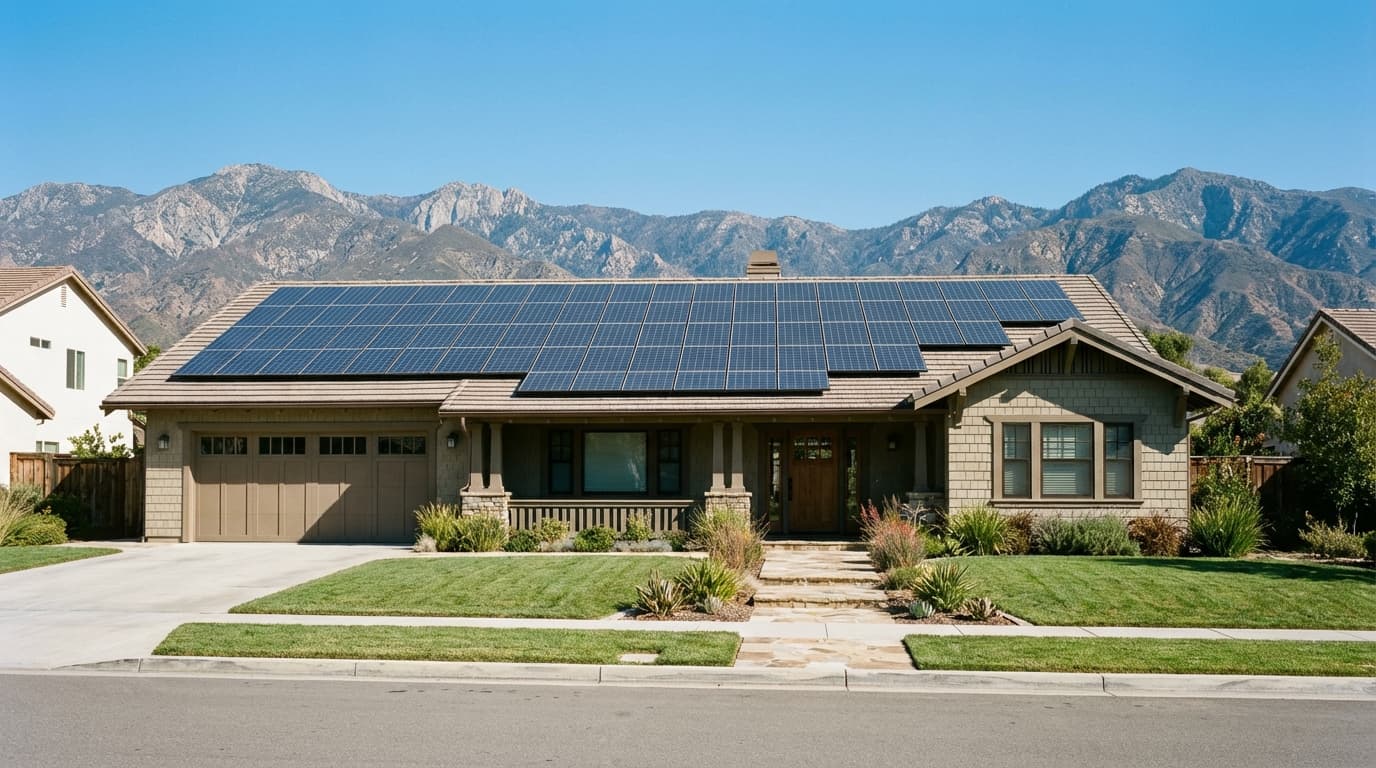
    Residential rooftop equipped with solar panels - Battery Backup vs Generator: Pros and Cons

    The Bottom Line

    Battery backup systems have become the preferred choice for most homeowners who already have or plan to install solar panels. The combination of silent operation, zero emissions, automatic switchover, daily financial benefits, and the 30 percent tax credit makes batteries the more versatile and economical long-term choice.

    SmartEnergyUSA can connect you with installers experienced in both battery and generator installations. Get a free quote to explore your backup power options and find the right solution for your home's needs.
    battery backupgeneratorbackup powerpower outagehome battery vs generator

    Ready to Go Solar?

    Get free quotes from top-rated solar installers in your area.

    Get Free Quote
    Suburban home with solar panels on roof

    Ready to go solar?

    Get free quotes from top installers in your area

    Solar powered neighborhood homes

    Start Saving with Solar Today

    Join thousands of homeowners who've switched to clean energy

    Get Your Free Quote
    30%Federal Tax Credit
    25+Year Savings
    $0Down Options