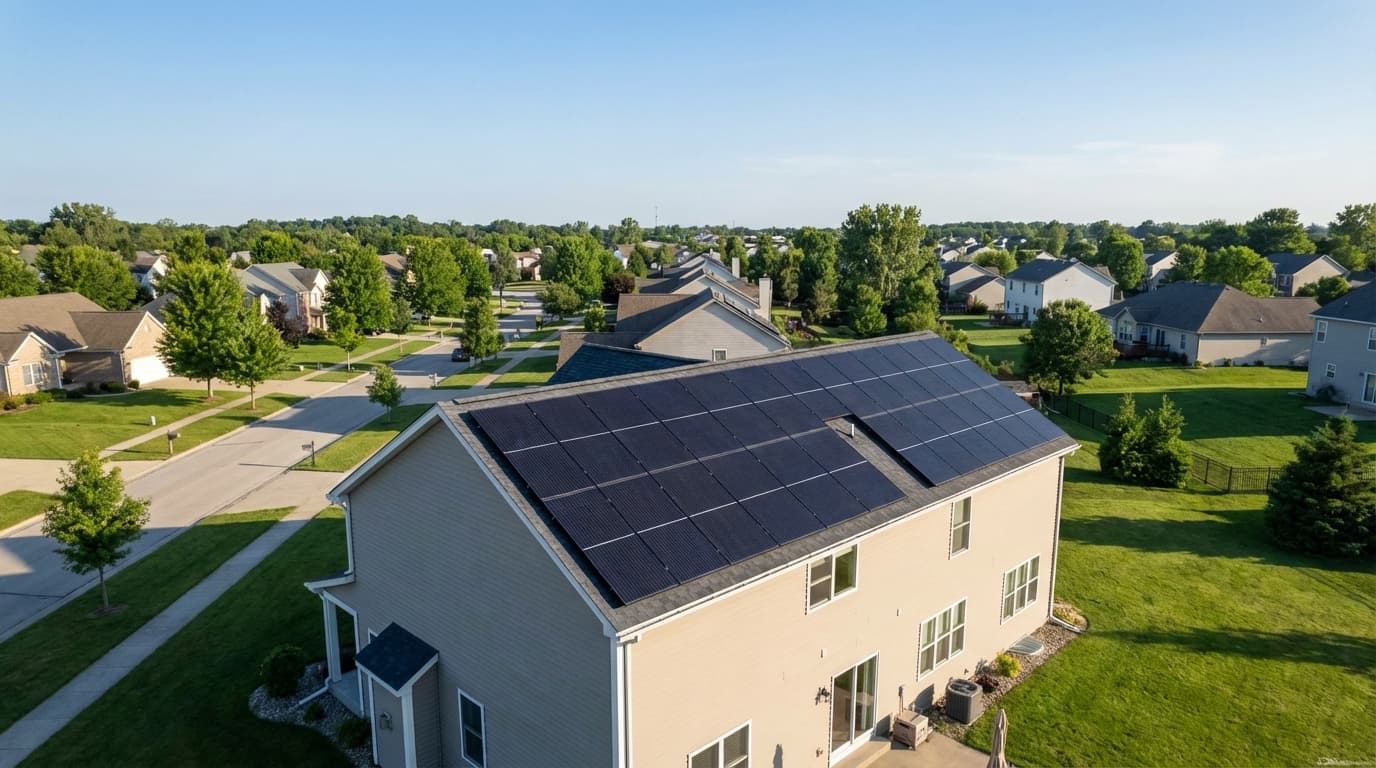
Solar Panel Cost in California
Updated 2026 guide to solar panel prices, savings, and payback period in California.
Estimated Solar Savings
Solar Panel System Costs in California
Below are estimated costs for different solar panel system sizes in California, including the 30% federal solar tax credit.
| System Size | Cost Before Incentives | Federal Tax Credit (30%) | Net Cost | Est. Annual Production |
|---|---|---|---|---|
| 4 kW | $11,200 | -$3,360 | $7,840 | 8,468 kWh |
| 6 kWMost Popular | $16,800 | -$5,040 | $11,760 | 12,702 kWh |
| 8 kW | $22,400 | -$6,720 | $15,680 | 16,936 kWh |
| 10 kW | $28,000 | -$8,400 | $19,600 | 21,170 kWh |
| 12 kW | $33,600 | -$10,080 | $23,520 | 25,404 kWh |
What Affects Solar Panel Cost in California?
The average cost of solar panels in California is $280/watt before incentives. For a typical 6kW residential system, that means a total cost of about $16,800 before the federal tax credit.
After applying the 30% federal Investment Tax Credit (ITC), your net cost drops to approximately $11,760.California homeowners typically see a payback period of 5 years and save an estimated $50,000 over 25 years.
California solar costs have plummeted nearly 50% over the last decade. The state's mature solar market and high electricity rates make solar one of the best investments for homeowners.
Factors that affect your cost:
- System size: Larger systems cost more but have a lower cost per watt
- Equipment quality: Premium panels and inverters cost more but offer better efficiency
- Roof complexity: Steep roofs, multiple levels, or shading can increase installation costs
- Local labor rates: Installation costs vary by region within California
- Incentives: State and local programs can significantly reduce your out-of-pocket cost
Solar Incentives in California
Federal Solar Investment Tax Credit
30% Federal Tax Credit (ITC)
California homeowners can combine the 30% federal ITC with state programs to maximize their solar savings in the nation's largest solar market.
State & Local Incentives
Self-Generation Incentive Program (SGIP)
RebateProvides rebates for installing battery storage systems paired with solar, especially for customers in fire-prone areas.
Net Billing (NEM 3.0)
Net MeteringCalifornia's updated net billing program provides credits for solar energy exported to the grid, with rates based on time of export.
Property Tax Exclusion
Property TaxSolar energy systems are excluded from property tax reassessment through 2025, meaning your property taxes won't increase due to solar.
DAC-SASH Program
RebateThe Disadvantaged Communities Single-Family Solar Homes program provides free solar installations to qualifying low-income homeowners.
PACE Financing
LoanProperty Assessed Clean Energy financing allows homeowners to finance solar through their property tax bills.
Net Metering
California transitioned to NEM 3.0 (Net Billing) in April 2023. Solar customers receive export credits based on the time of day energy is sent to the grid, with battery storage strongly recommended to maximize savings.
AvailableSRECs
California does not have a traditional SREC market. Instead, the state uses its Renewables Portfolio Standard and net billing to incentivize solar adoption.
Not AvailableGet Your Free Solar Quote
No obligation • Compare top installers
Ready to go solar?
Get free quotes from top installers in your area
Top Solar Companies in California
Affordable Solar Roof & Air
Sunergy Solutions LLC
Green Power Energy
Solar Panel Cost FAQ - California
The cost of solar panels in California typically ranges from $2.50 to $3.50 per watt before incentives. For a standard 6 kW residential system, homeowners in California can expect to pay between $15,000 and $21,000 before the federal tax credit. After applying the 30% federal Investment Tax Credit, the net cost drops to approximately $10,500-$14,700. Actual costs vary based on your specific roof, chosen equipment, and installer. We recommend getting at least three quotes from local California solar installers to find the best price.
The average solar payback period in California depends on local electricity rates, available incentives, and sun exposure. Most California homeowners see a payback period between 6 and 10 years. After the payback period, you essentially enjoy free electricity for the remaining 15-20+ years of your system's life. Higher local electricity rates and additional state incentives can shorten the payback period significantly. A qualified California solar installer can calculate your specific payback period based on your energy usage and roof characteristics.
California homeowners who install solar panels typically save between $20,000 and $50,000 over 25 years, depending on system size, electricity rates, and available incentives. These savings come from reduced or eliminated electricity bills, net metering credits, and any applicable SREC income. As electricity rates in California continue to rise (historically averaging 2-3% annually), your savings grow each year. The combination of the 30% federal tax credit and any California-specific incentives helps maximize your return on investment.
The right solar system size for your California home depends on your electricity consumption, roof space, and budget. The average California home uses approximately 10,000-11,000 kWh per year, which typically requires a 6-8 kW solar system. To determine your ideal size, review your annual electricity usage on recent utility bills. Factors like California's average peak sun hours, your roof orientation, and any shading will affect how many panels you need. A professional California solar installer will use satellite imagery and your usage data to recommend the optimal system size.
Yes, solar is generally worth the investment for California homeowners in 2025. With solar panel costs at historic lows, the 30% federal tax credit still available, and electricity rates continuing to rise, the financial case for solar in California is strong. Most California homeowners who go solar see positive returns within 6-10 years, followed by 15-20+ years of significant savings. Additionally, solar panels increase your home value, provide energy independence, and protect against future electricity rate increases. The best way to determine if solar is right for your California home is to get a free, customized quote from a qualified local installer.

Solar Panel Costs by City in California
Solar in Nearby States
Start Saving with Solar Today
Join thousands of homeowners who've switched to clean energy
Get Your Free Quote